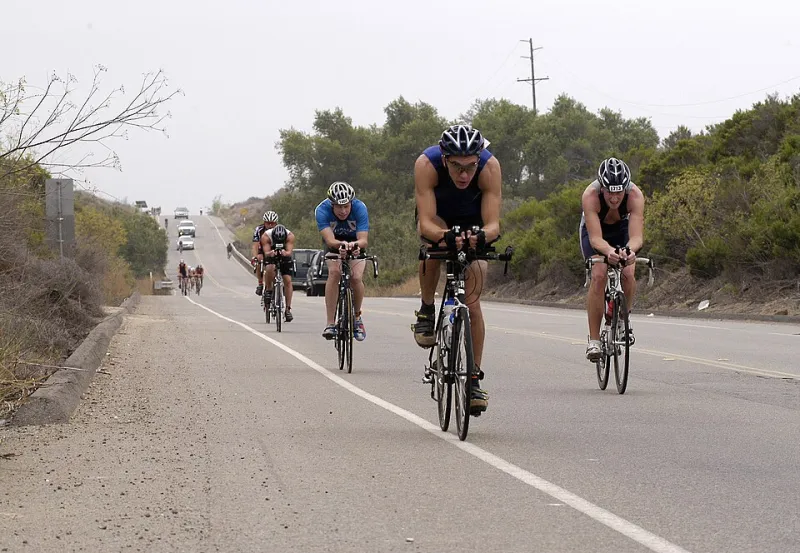
Hops, Recovery, and the Open Road: How to Match Your Post-Ride Beer to the Miles You Just Crushed
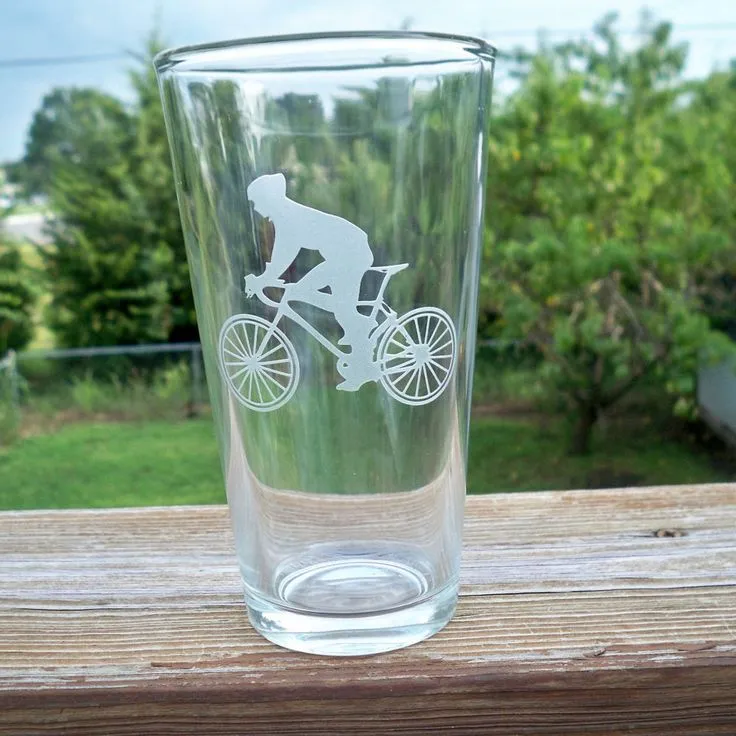
Photo: cyclist holding craft beer pint glass after bike ride outdoors, via i.pinimg.com
There's a moment every cyclist knows. Legs burning, jersey soaked, Garmin finally beeping to a stop — and somewhere in the near future, a cold beer with your name on it. But here's the thing most riders never think about: the beer you choose after a ride isn't just a reward. It's a decision that can either support your recovery or quietly work against it.
We dug into the science, talked to a few brewmasters who also happen to clip into pedals on weekends, and consulted with sports nutritionists to put together a practical guide. The result? A breakdown of which craft beer styles actually make sense after different kinds of rides, and why the answer isn't always "whatever's coldest."
Why Beer and Cycling Have Always Made Sense Together
Before the nutrition nerds in the room object — yes, alcohol is a diuretic, and yes, hydration matters enormously for cyclists. But research published in the Journal of the International Society of Sports Nutrition has consistently shown that moderate post-exercise beer consumption, when paired with water and food, doesn't meaningfully impair recovery for recreational athletes. In fact, beer contains carbohydrates, electrolytes like sodium and potassium, and certain polyphenols from hops that carry anti-inflammatory properties.
The key word is moderate. And the second key word is intentional. Choosing the right style for the right ride is where craft beer culture and cycling culture genuinely overlap in useful ways.
After a High-Intensity Ride: Go Low-ABV and Malt-Forward
You just finished a two-hour interval session or a punishing gran fondo. Your glycogen stores are wrecked, your muscles are screaming, and you've sweated through roughly every electrolyte your body had in stock. This is not the moment for a double IPA.
Sports dietitian and avid cyclist Megan Torres, based out of Denver, Colorado, recommends riders in this scenario reach for something in the 3.5 to 4.5% ABV range. "Your body is primed to absorb carbohydrates after intense exercise," she explains. "A malt-forward beer with moderate carbonation helps replenish some of that glycogen without taxing your liver before you've had a chance to rehydrate."
The styles that fit this bill best:
- Session Ales and Cream Ales — Light on alcohol, easy on the stomach, and often slightly sweet from residual malt sugars. Oskar Blues Brewery out of Longmont, Colorado makes a solid session pale that's become something of a local post-ride staple.
- Hefeweizens — The Bavarian wheat beer is genuinely one of the most recovery-friendly styles in existence. High in B vitamins, naturally carbonated, and refreshing without being punishing. Allagash Brewing in Portland, Maine crafts a version that regularly shows up in cycling club coolers across New England.
- Berliner Weisse — Tart, light, and packed with lactic acid cultures that can support gut health. Dogfish Head's SeaQuench Ale, brewed in Milton, Delaware, is essentially built for this moment — it even includes black lime and sea salt.
After a Long Endurance Ride: Embrace the Hoppy Middle Ground
Four hours in the saddle at a steady tempo is a different animal than intervals. You've burned fuel steadily, you're probably hungry enough to eat a tire, and your body is tired but not destroyed. This is where a well-crafted IPA or pale ale starts to make a lot of sense.
Hops — specifically the alpha acids in varieties like Cascade, Centennial, and Mosaic — carry documented anti-inflammatory properties. A well-hopped American Pale Ale or a West Coast IPA sits comfortably in the 5 to 6.5% ABV range, delivers a satisfying bitterness that cuts through post-ride fatigue, and pairs beautifully with the kind of food your body is craving: pizza, tacos, a serious burger.
Brewmaster and competitive cyclist Jake Pemberton, who brews at a small operation in Asheville, North Carolina, puts it plainly: "After a long endurance day, I want something with enough bitterness to feel like a reward but not so boozy that I'm done for the rest of the afternoon. A 5.5% pale ale hits that window perfectly."
Tasting note pick: Firestone Walker's 805 Blonde Ale out of Paso Robles, California — technically a blonde, but with enough hop character to satisfy IPA fans, and a sessionable ABV that won't derail the rest of your day.
After a Casual Group Ride: The Social Sip
Saturday morning coffee ride that turned into brunch and easy miles through the countryside? You've earned something fun, and the recovery calculus is much more forgiving. This is the territory of sours, farmhouse ales, and craft lagers — styles that reward curiosity and pair naturally with the social atmosphere of a group ride debrief.
Farmhouse ales and saisons, in particular, have a complexity that rewards conversation. They're food-friendly, effervescent, and range widely in flavor from peppery and dry to fruity and funky. Boulevard Brewing Co. in Kansas City, Missouri makes a Tank 7 Farmhouse Ale that's become a go-to for riders who want something more interesting than a standard lager but aren't looking to end the afternoon early.
For the sour fans: a well-made Gose — brewed with coriander and salt — is practically engineered for cyclists. The sodium content genuinely helps with electrolyte replacement, the tartness is wildly refreshing, and the 4% ABV keeps things civil. Anderson Valley Brewing in Boonville, California makes a Blood Orange Gose that's become a cult favorite in the California cycling community.
The Golden Rules: What Every Cyclist Should Know Before the First Sip
Regardless of which style you reach for, a few universal principles apply:
- Hydrate first. Drink at least 16 ounces of water before your first beer. No exceptions.
- Eat something. Beer on an empty post-ride stomach is a fast track to a rough afternoon. Carbs and protein first.
- Mind the ABV. The higher the intensity of your ride, the lower the ABV of your beer should be. This isn't a rule to feel guilty about — it's just physiology.
- One is usually enough. The recovery window is real. Protect it.
The craft beer world has never been more dialed in to the needs of active drinkers. More and more breweries across the US are explicitly designing low-ABV, electrolyte-forward, and hop-rich beers with athletes in mind. That's good news for every cyclist who's ever stood in a taproom after a long ride, slightly sunburned and deeply thirsty, trying to figure out what to order.
Now you'll know exactly what to say.