The Taproom Lawn Is the New Campsite: Breweries Betting on Bikepacker Overnights
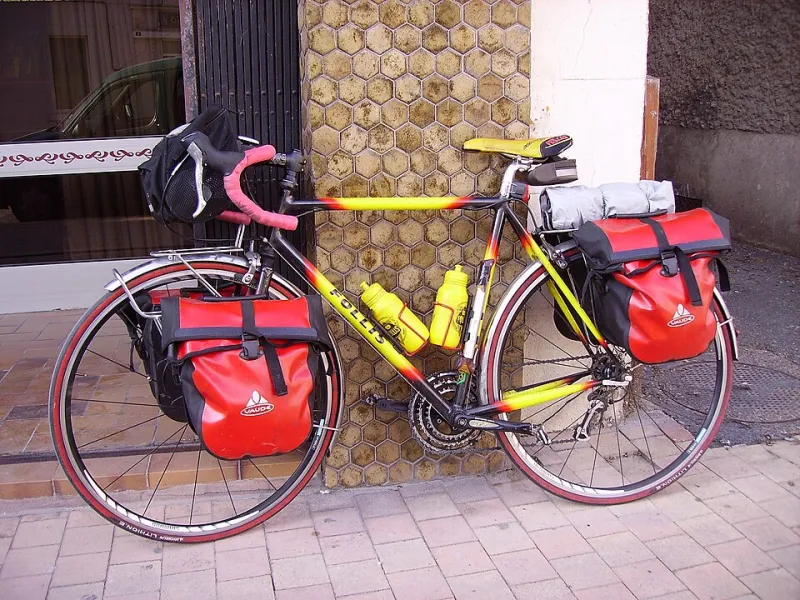
Photo: Cjp24, CC BY-SA 4.0, via Wikimedia Commons
The first time you roll into a brewery parking lot at 7 p.m. with a loaded bike, a sweaty jersey, and no plan, you learn something about American hospitality: most taprooms will happily sell you a beer, and almost none of them can tell you where to sleep.
That gap is closing. Across the country, breweries are adding tent sites out back, tapping into the same instinct that makes a small-town fire hall leave its lawn open during a bike tour. It's not a hotel business. It's a few thousand square feet of grass, a spigot, and a handshake — and for a bikepacker, it's the difference between a route that works and one that doesn't.
Why the lawn makes sense
Bikepackers are an almost ideal customer for a rural taproom. They arrive by bike, so they're not competing for parking. They eat. They buy a couple of pints. They buy breakfast-adjacent snacks and coffee the next morning, and they post about it, which is the marketing budget most small breweries can actually afford.
The economics are modest on purpose. A handful of tent sites won't cover a payroll, but the setup cost can be surprisingly low — a level patch of grass, a porta-john, a potable water spigot, and a bike rack that lives inside a locked shed. Compare that to a taproom renovation and the math gets friendly.
Zoning is the first gate, not the last
This is where most hopeful projects stall. A brewery parcel is usually zoned commercial or industrial, and 'camping' is often a separate use — sometimes requiring a conditional permit, sometimes flatly prohibited, sometimes ambiguous enough that the owner has to call the county.
A few things that help:
- Ask before you build. A conversation with the planning department costs an afternoon and can save a season.
- Look at agritourism and accessory-use provisions. Several states have widened these categories in recent years, and rural breweries with a farm connection sometimes qualify where a downtown taproom wouldn't.
- Watch the septic. Showers and extra toilets put load on a system that was sized for a taproom. A shower trailer or a portable unit is often the approved path, not a new bathroom building.
- Cap the number of sites. A small, clearly defined campsite is a much easier permit than an open field. Fewer than a dozen sites is a common self-imposed limit.
Amenities, ranked by what riders actually care about
- Secure bike storage. Not a rack under a tree. A lockable shed, a fenced pad, or the ability to bring the bike into a covered area. A loaded bikepacking rig is the most valuable thing a rider owns on the road.
- Potable water. Free and accessible, not a bathroom sink.
- A shower. Cold rinse beats nothing. A coin-op or trailer setup is the gold standard.
- Outlet access for charging. Lights, head units, and e-bike batteries. A covered charging station with a timer is a nice touch.
- Coffee in the morning. Even a self-serve setup makes a brewery memorable.
- Flat ground and shade. Underrated. Unlevel ground with roots ruins a night faster than rain.
Etiquette cuts both ways
Breweries that host campers have learned to publish their expectations, and riders who respect them get invited back.
The house rules tend to look like this: buy something, both at night and in the morning; respect quiet hours after the taproom closes; pack out everything, including gray water; no open flames where the county says no; no camping outside posted areas; and, critically, call ahead. A brewery that isn't set up for campers isn't being rude when it says no — it may not have the permits, the water, or the insurance for it.
On the rider side, ask three questions before you show up: can I camp, is there water, and what time does the taproom close? Those three answers determine whether your evening works or turns into a parking lot bivy.
Planning a brewery-to-brewery overnighter
A workable weekend shape for most riders is 40 to 60 miles a day, with the brewery as the endpoint rather than a mid-ride stop. Aim to arrive 90 minutes before close so you have time to pitch, shower, order food, and actually enjoy the beer instead of inhaling it.
A few route-planning habits that make these trips smoother:
- Confirm camping availability the same week you ride. Plans change, staff change, permits lapse.
- Identify a fallback. A state park, a county campground, or a warm-showers hostel within ten miles is your backup plan if the taproom closed early for a private event.
- Carry more water than you think. Brewery spigots are not always where you expect them to be on a Sunday.
- Plan the food, not just the beer. A kitchen that closes at 8 p.m. is a real constraint when you arrive at 7:40 with 52 miles in your legs.
- Ride out early. Leaving at 7 a.m. gives you the quiet roads and gets you to the next stop before the heat.
The part nobody talks about
Overnight camping puts a brewery in a caretaker role, and that means a conversation with the insurance carrier. General liability policies often have exclusions or conditions around camping and overnight guests, and a rider who trips over a guy line at 2 a.m. is still a person on your property. Breweries that do this well have added the activity to their policy on purpose, written a short camper agreement, and kept records of who stayed when.
None of which is a reason not to do it. It's just the paperwork side of a very old idea: you have grass, they have a bike, and the road between here and there needs one more place to stop.