Who's on the Hook When the Ride Rolls Out? The Brewery Ride Club Risk Playbook
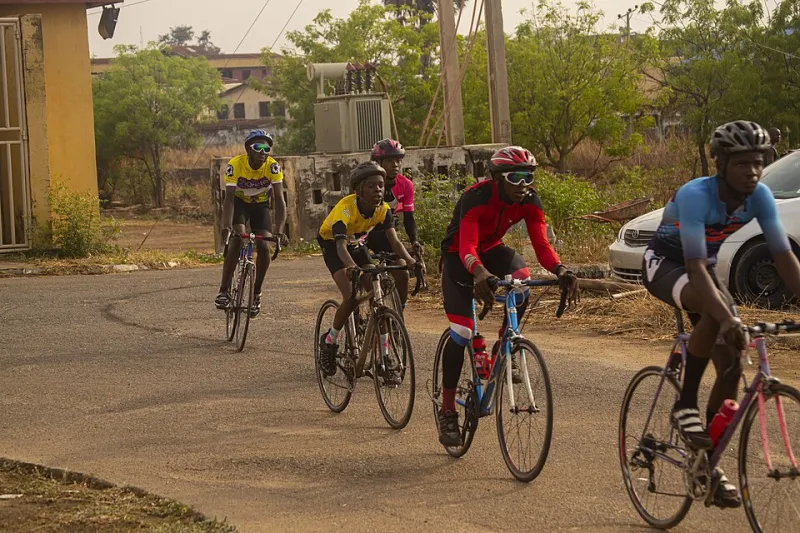
Photo: James Moore200, CC BY-SA 4.0, via Wikimedia Commons
Every taproom with a bike rack eventually has the same conversation. Somebody on staff rides. Somebody's cousin runs a shop. A few regulars start showing up on Saturday mornings in matching kit, and by spring there's a group text, a route on Strava, and forty people on the lawn at 8:45 a.m. It's the best marketing a brewery can get for the price of a few kegs of post-ride lager.
Then somebody goes down on a wet expansion joint, and the friendly weekly ride suddenly looks like an unexamined business activity. That's the moment brewery owners start asking the questions nobody wanted to ask in March. Here's the playbook, assembled from how taprooms around the country are actually handling it.
The waiver is a start, not a shield
A signed liability waiver is the first thing most breweries reach for, and it's worth having — but treat it as a seatbelt, not a force field. Waiver enforceability varies state to state, and courts tend to look hard at whether the document was clear, whether it was signed voluntarily, and whether it covered the specific risk that materialized. A generic form borrowed from a gym's website won't hold up when the claim involves a road hazard on a route the brewery designed.
Three practical upgrades: have a local attorney draft or review the language for your state, make the waiver specific to cycling (group riding, road hazards, vehicle traffic, weather), and use a digital check-in that timestamps signatures and keeps records. If minors ride — and on family-friendly brewery rides they do — know that a parent or guardian generally has to sign, and that some states restrict minor waivers more heavily than adult ones.
Route selection is a risk decision
Here's the part that surprises owners: the route itself is one of your biggest liability exposures, because it's the thing you controlled. A left turn across four lanes of traffic, a stretch of chip seal with no shoulder, a descent with a blind corner — those choices get scrutinized.
Breweries that have done this well tend to build routes the same way a shop does: start with low-traffic roads and paths, pre-ride the course in the season it'll be ridden, and keep a written route sheet with a hazard note for the leader. Avoid routing a group through a busy arterial at rush hour just because the brewery is on the other side of it. If the taproom is genuinely hard to reach by bike, a designated start point a mile away on a trail is a smarter look than a heroic left turn.
Post the route in advance, name the regroup points, and set a firm no-drop expectation for the B group. Speed splits are fine. Abandoning a rider is not.
The alcohol question nobody wants to put on a sign
The uncomfortable truth: a brewery that organizes a ride and then serves beer at the finish is participating in alcohol service around a physical activity. That doesn't mean the ride is a bad idea. It means the taproom's existing service standards need to extend to a crowd that just spent two hours sweating and may be dehydrated, on an empty stomach, and riding home.
What works, based on how clubs operate now:
- Nothing before the ride. No preride pours, no 'just a taste.' It's a clean rule and it's easy to explain.
- Water first, then the pour. Free water at the finish and a food option reduce the worst outcomes dramatically.
- Standard service training applies. Server certification, a written refusal policy, and staff empowered to cut someone off — including a regular — matter more on ride days, not less.
- Liquor liability coverage. Confirm with your carrier that group rides and post-ride service are within your policy. If your policy excludes special events, ask for an endorsement rather than hoping nobody asks.
Volunteer leaders: protect them, don't exploit them
Most brewery rides run on volunteers, and volunteer leaders are usually the most exposed person in the room. Give them a written role, a route sheet, a sweep, a basic first aid kit, and a phone number for the taproom manager on duty. Train them once a season on what to do if there's a crash: stop, secure the scene, call, document, don't speculate.
The word 'volunteer' also matters legally in some states — volunteer protection statutes exist but come with conditions, and paying someone a gift card every week can blur the line between volunteer and employee. If you're giving leaders meaningful compensation, talk to your insurer and your attorney about what that makes them.
What the insurance conversation actually looks like
Ask your agent these specific questions before the first ride, not after:
- Does general liability cover organized group rides hosted by the brewery?
- Is liquor liability separate, and does it cover post-ride service?
- Do we need participant accident or medical coverage, which pays riders regardless of fault?
- Are volunteer leaders covered as insureds or additional insureds?
- What happens if a rider is injured in our parking lot or on our lawn before the rollout?
The one-page policy that beats a ten-page binder
Write it down, keep it to a page, and hand it to every leader. Ours would include: no alcohol before the ride, helmets required, lights required after dusk, e-bikes welcome but no throttle-only riding in the group, no-drop for the social group, weather cancellation at the leader's discretion, and a clear statement that riders are responsible for their own equipment and decisions.
A launch checklist
Attorney-reviewed waiver and digital check-in. Route sheet with hazards. Sweep and leader assigned in writing. First aid kit and charged phone. Insurance endorsements confirmed. Water, food, and a firm no-preride-pour rule. Incident form in the leader's bag. And a debrief at the end of the season with the leaders, because the best risk management is a group of people who feel responsible for each other and know the brewery has their back.
None of this drains the fun out of a Saturday ride. It just means the fun survives contact with reality.