Tapping Into the Seasons: How Craft Breweries Are Syncing Their Releases to the American Ride Calendar
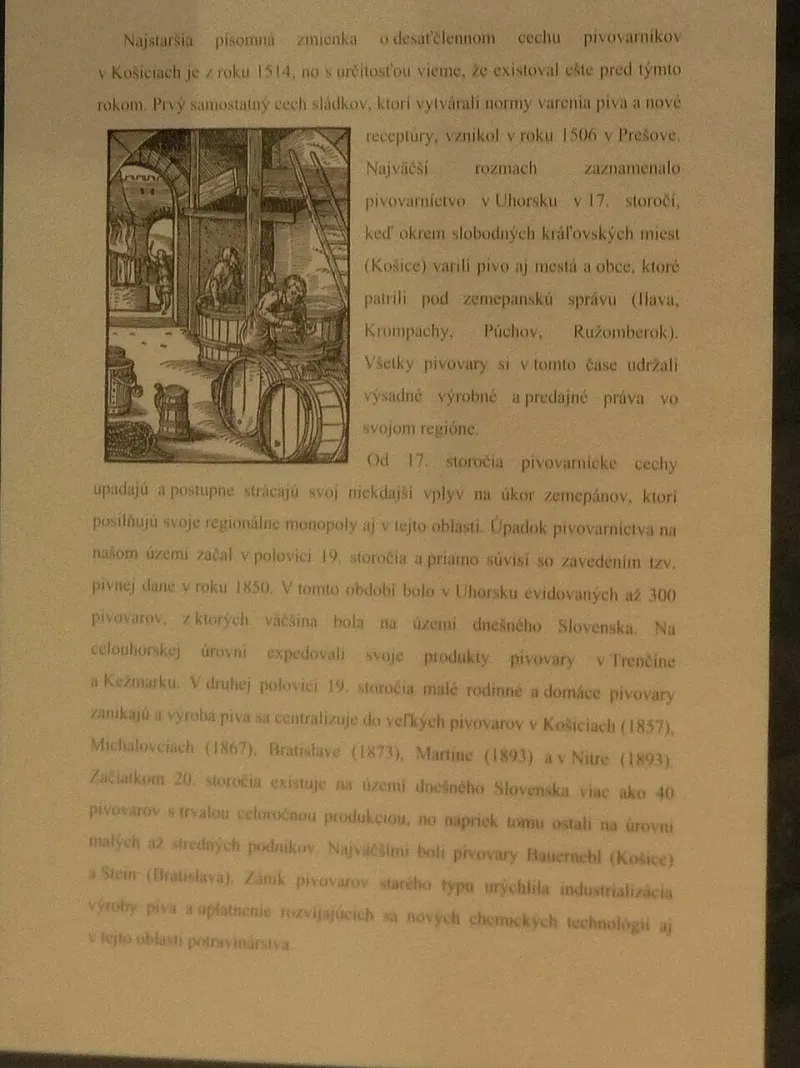
Photo: ZemplinTemplar, CC BY-SA 4.0, via Wikimedia Commons
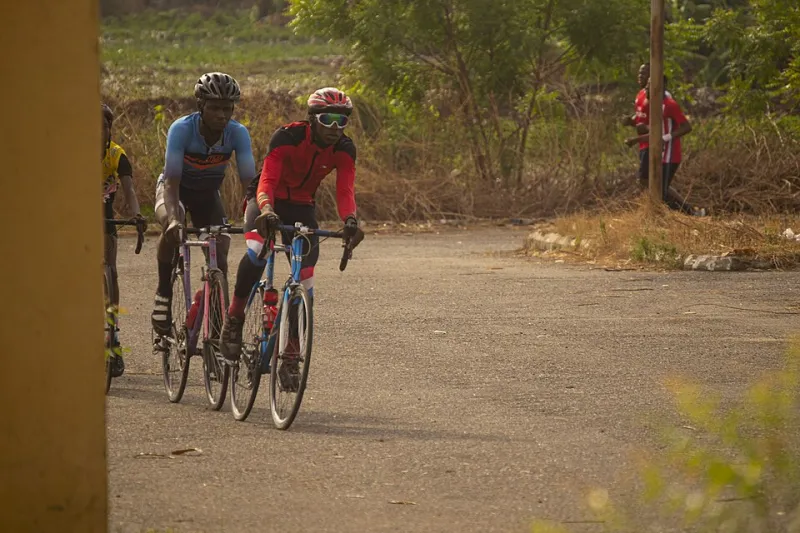
There's a moment every April that cyclists know intimately. The roads dry out, the legs remember what they're supposed to do, and suddenly everyone's got a century on the calendar. For a growing number of craft breweries across the country, that same moment is a cue to start pouring something different—something lighter, brighter, and built for the long miles ahead.
Aligning a brewing calendar to a cycling calendar isn't just a marketing stunt. The breweries doing it well have actually thought hard about what the body needs, what the season demands, and what a community of riders wants to gather around after a long day in the saddle. It's a more intentional approach than most taprooms take, and it's building serious loyalty among cyclists who appreciate the thoughtfulness behind the glass.
Why Seasonality Actually Matters Here
Most craft breweries already think seasonally—pumpkin ales in October, wheat beers in July. That's nothing new. But matching releases specifically to the cycling calendar takes that logic a step further, layering in considerations around hydration, caloric load, and recovery that go way beyond vibes.
"A rider coming off a 60-mile spring training ride is in a completely different physiological place than someone finishing a gravel race in November," says Marcus Delray, head brewer at Ridgeline Fermentation Works in Bentonville, Arkansas. "The beer we hand them after that spring ride shouldn't be the same beer we're pouring in November. If we're paying attention, the tap list tells that story."
Delray and his team have built their annual release schedule around the Ozark cycling calendar, which runs from early spring road rides through summer mountain bike racing and into fall gravel events. Each phase gets its own flagship.
For spring, they lean on a session IPA clocking in around 4.2% ABV—low enough to not obliterate someone who still has two more training rides that week, bright enough to feel like a reward. Summer brings a dry-hopped wheat ale designed to replace some of what sweaty August rides take out of you. By October, when the gravel crowd is deep into race prep, a roasted oat stout with a modest 5.8% ABV hits the taps. "It's not a sipping-by-the-fire beer," Delray says. "It's a recovery beer that happens to taste like one."
What Coaches Are Saying
The science of post-ride nutrition has gotten a lot more sophisticated over the past decade, and some cycling coaches are paying close attention to how beer fits into that picture.
"The conversation used to be whether you should drink at all after a hard effort," says cycling coach Dana Whitmore, who works with endurance athletes in the Pacific Northwest. "Now we're talking about timing, alcohol content, carbohydrate density, electrolyte load. Craft beer, especially when it's designed thoughtfully, can actually check a few recovery boxes—as long as you're not overdoing it."
Whitmore points to the carbohydrate content in maltier styles as genuinely useful for glycogen replenishment after long aerobic efforts, while cautioning that high-ABV beers work against rehydration. Her advice to the riders she coaches: stick to lower-alcohol options after rides under two hours, and save the bigger stuff for rest days or after genuinely epic efforts where you're already planning to be off the bike the next day.
Breweries paying attention to this guidance are starting to label their beers with more than just flavor notes. A few are including ABV-to-ride-length suggestions right on the menu, a small touch that signals to cyclists they're in a place that actually gets them.
Four Breweries Getting the Alignment Right
Ridgeline Fermentation Works – Bentonville, AR Already mentioned above, Ridgeline has become something of a model for the approach. Their tap list rotates on a six-week cycle that tracks the regional ride calendar almost exactly. They host a quarterly "Season Shift" event where the outgoing seasonal beer gets one last pour alongside the incoming one—always timed to a group ride that leaves from the taproom.
Chainring Brewing Co. – Fort Collins, CO Fort Collins is one of those towns where cycling isn't a subculture, it's just culture. Chainring has leaned into that fully, releasing a spring century series of three session beers in March, each named after a local route. Their summer lineup skews sour and effervescent, designed for the high-altitude heat that hammers riders on the mountain passes nearby. Come September, when the cycling crowd pivots to gravel and the air gets that first bite of cold, Chainring drops a smoked amber that's become a local obsession.
Spoke & Grain Brewing – Asheville, NC Asheville's cycling scene is built around its legendary mountain bike trails and a growing road riding community that takes the Blue Ridge Parkway very seriously. Spoke & Grain has structured their year around those two audiences, releasing a lighter, hop-forward pale ale to kick off Parkway season in late spring and a rich, nutty brown ale timed to the fall mountain bike festivals that draw riders from across the Southeast. "We think of our tap list as a trail map," says co-founder Lena Ostrowski. "It should tell you where you are in the year."
Headwind Brewing – Minneapolis, MN Minneapolis cyclists are a hardy bunch—people who ride through winter not because they have to but because they genuinely love it. Headwind has built their calendar around that reality, which means their year starts not in April but in February, when the fat bike crowd is still grinding through snowpack. A warming, spiced porter anchors those months before giving way to a crushable lager as the trails finally thaw. By the time summer gran fondos roll around, Headwind's tap list is all light, dry, and refreshing. It's a full twelve-month commitment to the rider's experience, and the community has rewarded them with fierce loyalty.
Building a Year-Round Ritual
What these breweries share isn't just smart marketing. It's a genuine commitment to the idea that beer and cycling can be more than coincidentally related—that a taproom can function as a kind of seasonal anchor for a riding community, a place where the changing of the tap list marks time the same way a new training block does.
For cyclists, that kind of intentionality matters. The best rides feel ritualistic. The best post-ride beers do too. When a brewery takes the time to think about what you just went through out there on the road or trail and responds with something that fits the moment, it deepens the connection between the pour and the pedaling.
So next time you roll into a taproom after a long spring ride and the bartender slides you something crisp and sessionable that they describe as "our century beer," know that's not an accident. Somebody thought about your ride before you even left the driveway.
That's worth raising a glass to.