Saddle Up, Then Drink Up: How American Breweries Are Turning Rides Into Rituals
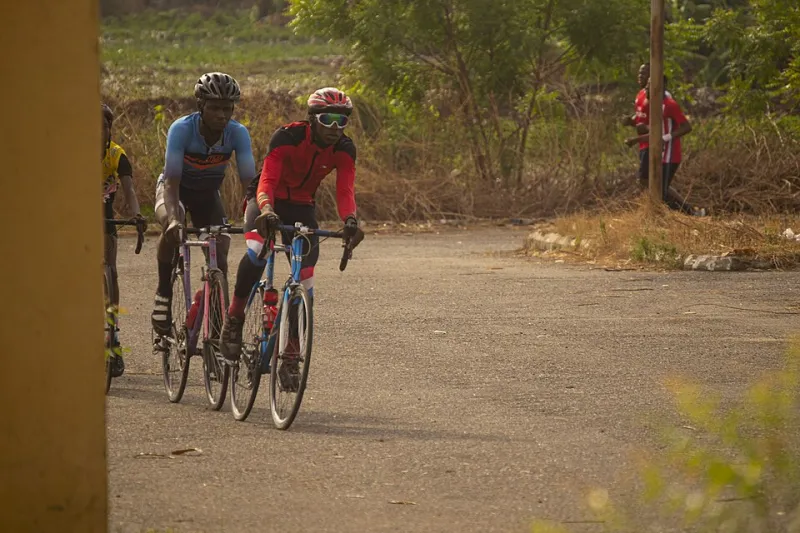
Photo: James Moore200, CC BY-SA 4.0, via Wikimedia Commons
4 AM Is the New Happy Hour
The alarm goes off at 3:45. You pull on a base layer in the dark, check your tire pressure by feel, and roll out into streets that belong entirely to you. By the time the sun clears the horizon, you've got 30 miles in your legs and a very specific craving for something cold and malty. And the best part? The taproom is already open.
Welcome to the world of the brewery-hosted dawn patrol ride — one of the weirder and more wonderful things happening in American cycling culture right now. A growing number of craft breweries have figured out that cyclists don't just want to drink after a ride. They want the whole experience to be theirs: the route, the community, the destination, the recovery. And breweries that lean into that fully are building some of the most loyal customer bases in the hospitality industry.
Why Breweries Are Getting Into the Event Business
It's not purely altruistic, and nobody pretends it is. Hosting a group ride that ends at your taproom is one of the most efficient marketing moves a small brewery can make. You're reaching active, community-connected people at the exact moment they're most receptive to your product — tired, happy, and thirsty. You're also differentiating yourself from every other taproom that's just... a taproom.
But the breweries doing this well are thinking beyond the immediate transaction. They're building something that feels more like a club than a customer loyalty program. When a ride departs from your parking lot every Saturday morning and returns to your taproom two hours later, you're not just selling beer — you're becoming part of people's weekly rituals. That's a different kind of relationship entirely.
The Midnight Ride Phenomenon
Few brewery cycling events have captured the imagination quite like the midnight ride format. The concept is simple: a group ride departs from the taproom late in the evening — sometimes at actual midnight, sometimes just after last call at a nearby venue — and winds through the city or surrounding trails by bike light and moonlight, ending back at the brewery for a final round.
Breweries in cities like Austin, Denver, and Asheville have been running variations of this for years, often tied to full moons or solstice dates. The rides tend to be low-key, no-drop affairs — the point isn't performance, it's atmosphere. Riders show up on everything from carbon road bikes to beach cruisers, and the vibe is more block party than race start. What makes them stick is the combination of novelty (riding through familiar streets at an unfamiliar hour) and community (you're doing something slightly weird alongside people who think it's completely normal).
If you want to launch your own version, the logistics are more manageable than they look. You need a route that avoids major intersections and stays on well-lit paths where possible, a sweep rider at the back of the group, and a very clear communication plan so nobody gets lost when the group inevitably splinters at a traffic light. Start with 20 to 30 riders max and grow from there.
Gravel Events and the On-Site Brewery Partnership
On the other end of the effort spectrum, gravel riding has opened up a whole new category of brewery events. The format that's gaining traction looks something like this: a brewery partners with a local cycling club or event company to host a gravel route — anywhere from 30 to 100 miles — that begins and ends at the taproom. Riders get a custom route map (or a GPS file), maybe a feed zone stocked with the brewery's snacks at the midpoint, and a finisher pint waiting at the end.
Events like these are happening in the Ozarks, in the rolling terrain around Bend, Oregon, and across the gravel corridors of Kansas and Nebraska. What makes them work is that they don't require a massive organizational apparatus. You don't need to close roads or manage a timing system. You need a good route, a reliable GPS file, a start/finish line with a keg, and word of mouth.
The Dirty Spoke Rally format — a loose, self-supported gravel adventure tied to a taproom — has become a template that smaller breweries in rural communities are adapting with great success. The brewery gets foot traffic and social media content. The riders get a destination worth pedaling toward. The local community gets an event that puts their town on the map.
The Brewery Crawl by Bike: A Blueprint
If you live in a city with multiple craft breweries within a few miles of each other, the brewery crawl by bike is one of the easiest events to organize and one of the most fun to participate in. Here's a simple framework:
Pick your stops wisely. Three to five breweries is the sweet spot. More than that and the logistics (and the blood alcohol content) get complicated. Prioritize stops that are connected by protected bike lanes, multi-use paths, or low-traffic streets.
Build in time at each stop. Plan for 45 minutes to an hour at each location — enough time for everyone to get a drink, use the restroom, and actually talk to each other. Rushing between stops defeats the whole purpose.
Designate a route leader and a sweep. Even on a casual crawl, having one person at the front and one at the back keeps the group together and reduces the chance of someone taking a wrong turn after their second taster flight.
Partner with the breweries in advance. Even an informal heads-up — "hey, we're bringing 15 riders through on Saturday afternoon" — goes a long way. Some breweries will offer a group discount or a reserved table. All of them will appreciate the notice.
End somewhere with food. The final stop should have a kitchen or at least a solid food truck situation. It's the right call for everyone's wellbeing and it extends the evening in the best possible way.
Making It a Regular Thing
The breweries that have turned cycling events into a genuine part of their identity share one trait above everything else: consistency. A monthly gravel ride that happens rain or shine, a weekly dawn patrol that departs at 6 AM every Saturday regardless of temperature — these recurring events become anchors for a community in a way that one-off happenings never quite manage.
If you're building something from scratch in your town, start small and show up every time. The first ride might draw six people. The tenth might draw sixty. The ritual is the point, and rituals take time to take root.
Pedal hard. Pour well. Gather often — and then gather again next week.