Haul That Growler Home: The Real Cyclist's Guide to Transporting Craft Beer Without Breaking a Bottle (or Your Back)
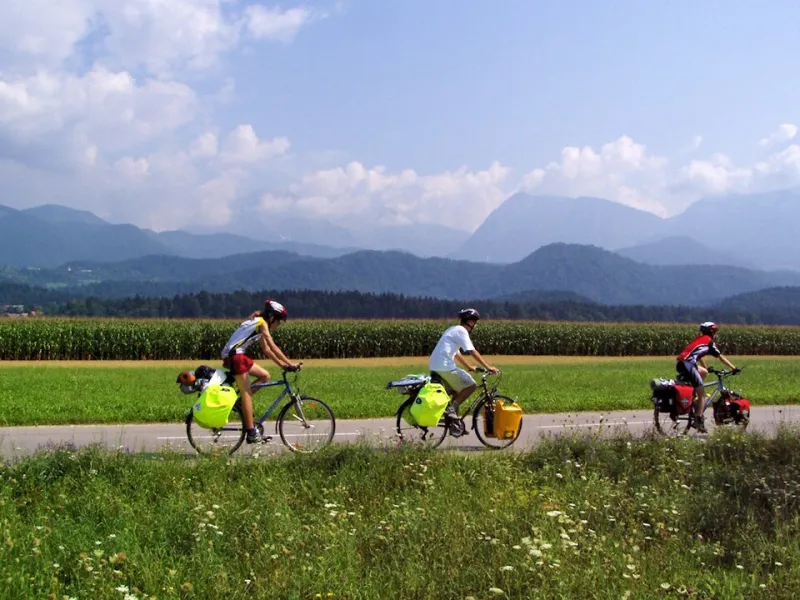
Photo: Marek Ślusarczyk (Tupungato) Photo gallery, CC BY 3.0, via Wikimedia Commons
You've just wrapped a solid Saturday ride, rolled into your favorite local brewery, and talked yourself into a four-pack of that limited-release double IPA you've been waiting weeks to try. The problem? You're on a bike. Your only carrying option is a drawstring bag from a 5K you ran in 2019. And the road home has a pothole section that once swallowed a wheel.
This is not a hypothetical. It's the weekly reality for thousands of cyclists across the country who are increasingly building their routes around taproom stops — and increasingly frustrated that the gear world hasn't fully caught up with them.
Good news: it's catching up fast.
Why Beer Hauling Is Its Own Category Now
For a long time, the cycling gear market treated cargo as cargo. A pannier was a pannier. You could throw groceries in it, camping gear, a laptop — and sure, theoretically a six-pack. But craft beer has specific needs that a standard waterproof bag wasn't built to address.
Bottles and cans need cushioning. Temperature matters, especially in summer. Growlers are awkward and top-heavy. And nobody wants to show up home with a bag full of foam because a bumpy descent turned their hazy pale ale into a shaken snow globe.
Gear designers started noticing the gap around 2018, when brewery-to-bike culture began accelerating in cities like Portland, Denver, Asheville, and Chicago. Now there's a genuine niche of products built specifically around the challenge of cycling with beer, and the options range from clever DIY hacks to purpose-engineered solutions that cost more than some bikes.
The Pannier Problem (and How the Best Ones Solve It)
A standard rear pannier can absolutely carry a six-pack. But without interior structure, cans rattle against each other, and glass bottles are basically playing a slow game of mutual destruction every time you hit a crack in the pavement.
The better pannier options now come with removable foam dividers or sleeve inserts that keep bottles separated. Brands like Revelate Designs and Ortlieb have expanded their accessory ecosystems to include padded inserts that fit their existing bags — which is smart, because it means you're not buying a whole new setup just to carry beer.
For serious haulers, insulated panniers are worth the investment. Companies like Arkel and several smaller US-based makers have started offering bags with closed-cell foam walls that provide both cushioning and a modest cooling effect. On a 45-minute ride in mild weather, you'll arrive home with beer that's still genuinely cold. Push that to 90 minutes in Texas in August, and you're going to want ice packs.
What actually works: A rigid-sided pannier with foam inserts for bottles, or a soft-sided insulated pannier for cans on rides under an hour. Add a reusable ice pack if temperatures are above 75°F.
Frame Bags and Coolers: The Compact Option
Not everyone rides with a rack setup. If you're on a gravel bike or a road bike without mounting points, a top-tube or frame bag is often your best bet for small hauls.
Several companies now make mini soft coolers designed to strap onto a bike frame or fork cage. The Revelate Designs Mag-Tank and similar products weren't built for beer specifically, but they've been adopted by the cycling-brewery crowd for carrying two or three cans in a pinch. The key is securing them tightly — any wobble gets amplified over miles.
For the truly committed, there are handlebar-mounted insulated pouches that can fit a couple of cans upright. They look a little goofy, if we're being honest, but on a short urban hop from the taproom to your apartment, they work surprisingly well.
What actually works: Frame-mounted soft coolers for 1-3 cans on rides under 30 minutes. Pair with a bungee net over the top for extra security.
Cargo Bikes and E-Bikes: The Nuclear Option
If you've gone full cargo bike, this whole conversation is a lot simpler. A Rad Power Bikes RadWagon or a Tern GSD has enough carrying capacity to haul a case without blinking. The insulated box accessories available for longtail cargo bikes are essentially rolling coolers, and they're genuinely excellent for bigger hauls from a brewery's to-go counter.
The e-bike angle is worth noting here too. The rise of pedal-assist bikes has made longer brewery runs more accessible for more people, and with that comes the expectation of carrying more beer home. Several e-bike accessory brands have responded with beefier cargo solutions — reinforced rear racks rated for 70+ pounds, wider panniers, and integrated cooler compartments that plug into the bike's power system to stay cold.
Yes, you can get a plug-in cooler pannier for your e-bike. We are living in the future.
What actually works: Any quality insulated cargo box on a longtail or cargo e-bike. Overkill for a six-pack, perfect for a mixed case and a crowler or two.
The Growler Question
Growlers deserve their own paragraph because they are genuinely annoying to transport on a bike. They're tall, they're heavy when full, and they have a single handle that makes them want to swing and tip regardless of how you strap them down.
The best solution most riders have landed on is a dedicated growler carrier that mounts to a rear rack — essentially a padded sleeve with a stabilizing base. A few small-batch gear makers on Etsy and at local bike swap meets have been making these for years. Larger brands are only now starting to catch on.
Alternatively, crowlers (the 32 oz. canned format now offered by most US craft breweries) have become the preferred format for cyclists precisely because they're stable, sealed, and fit neatly into standard can-compatible panniers. If your brewery offers crowlers, they're almost always the smarter choice for the ride home.
A Few Rules of the Road
Beyond gear, there are a few practices that experienced beer-hauling cyclists swear by:
- Let your beer settle before opening. Even well-packed beer gets jostled. Give cans 15-20 minutes after arrival before cracking them.
- Pack heavy items low and centered. High center of gravity affects handling. Keep your beer as low on the bike as possible.
- Know your state's open container laws. Most states prohibit open containers on public roads regardless of whether you're in a car or on a bike. Keep everything sealed until you're home.
- Cold beer means a colder bag. Pre-chill your insulated pannier in the freezer for 30 minutes before a brewery run. It makes a real difference.
The Bottom Line
The gear for hauling craft beer home by bike has never been better, and it's only getting more refined as the brewery-cycling crossover grows. You don't need to spend a fortune — a $40 insulated pannier and a foam insert will handle most situations. But if you're making regular taproom runs part of your riding routine, it's worth investing in a setup that protects your beer, your bike's handling, and your dignity when you roll up to the checkout.
Pedal hard, pour well — and make sure your bag can handle the trip home.