Pedal to the Taproom: How Bike Commuters Are Cutting Costs and Building a Better Daily Routine Around Craft Beer
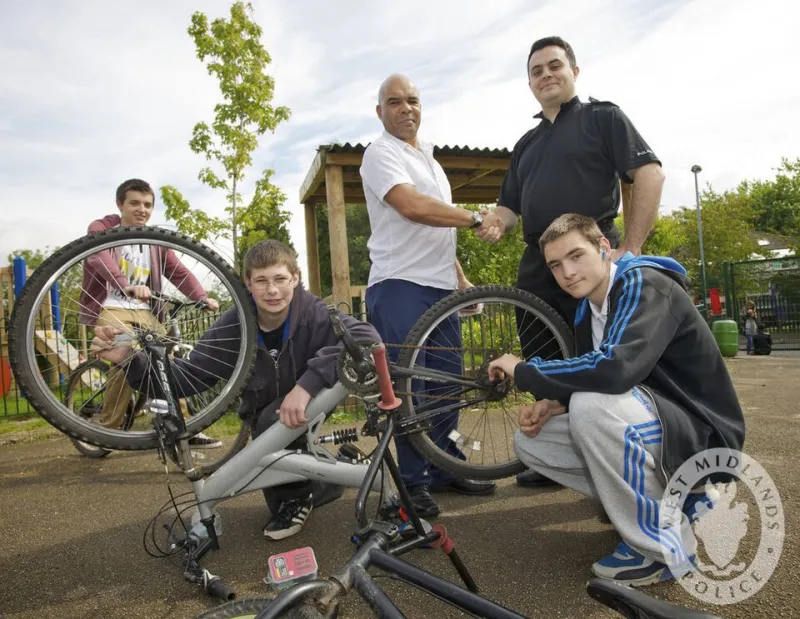
Photo: West Midlands Police from West Midlands, United Kingdom, CC BY-SA 2.0, via Wikimedia Commons
For most American workers, the daily commute is something to survive. Sitting in traffic, paying for parking, watching the gas gauge tick down — it's a grind that costs real money and produces exactly zero joy. But a growing number of cyclists have figured out a different equation: route your bike commute through a brewery taproom, and suddenly the whole thing starts to feel less like a chore and more like a reason to get out of bed.
It sounds almost too casual to be taken seriously. But dig into the actual numbers — and talk to the people doing it — and you'll find a lifestyle trend that's reshaping how some breweries think about their hours, their locations, and their weekday customer base.
What a Car Commute Actually Costs You
Let's start with the math, because it's kind of brutal. According to AAA's annual driving cost study, the average American spends somewhere between $8,000 and $12,000 per year to own and operate a vehicle, depending on the model and how much they drive. Factor in parking — which in most mid-sized American cities runs anywhere from $80 to $300 a month — and you're looking at a significant chunk of take-home pay just to get to work and back.
Now strip that down to a bike. A decent commuter setup — solid urban bike, lock, lights, fenders — might run you $600 to $1,200 up front. Annual maintenance, even if you're diligent about it, rarely tops $200. The math isn't subtle.
But the brewery angle adds another layer. Think about what most people spend on after-work drinks: two or three rounds at a bar, maybe a rideshare home, the occasional Uber Eats order because you got home late and didn't feel like cooking. Cyclists who commute through a taproom tend to drink more intentionally — one or two well-chosen pints — and they're already home-bound on the bike, so the rideshare cost disappears entirely. Several regulars at breweries we spoke with estimated they'd cut their weekly "decompression" spending by 30 to 40 percent just by swapping bar crawls for a single taproom stop on the way home.
Breweries Are Noticing — and Adapting
Here's where it gets interesting from a business perspective. Taproom managers and brewery owners in cycling-friendly cities have started noticing a distinct weekday afternoon and early evening traffic bump that correlates directly with bike infrastructure improvements in their neighborhoods.
One taproom manager in Denver mentioned that after the city extended a protected bike lane to within two blocks of their front door, weekday pint sales between 4 and 7 p.m. jumped noticeably. "We started seeing helmets on the bar hooks every Tuesday and Wednesday," she said. "These weren't weekend warriors. These were regulars who were literally stopping on the way home from work."
That observation has started influencing how some newer craft breweries think about site selection. Proximity to bike trails and protected lanes is no longer just a nice-to-have — for a certain type of brewery owner, it's a deliberate strategic choice. A taproom situated along a popular commuter cycling corridor gets built-in foot traffic that doesn't depend on parking availability or weekend weather.
Some breweries have gone further, adjusting their weekday hours to catch the commuter window. Opening at 3 or 4 p.m. instead of 5 or 6 gives cyclists — especially those who work flex schedules or remote jobs — a chance to stop in before the dinner rush. A few have even started offering "commuter specials": discounted pints during a specific weekday window for anyone who rolls up on two wheels.
Building Your Route Around the Pint
For the cyclists living this lifestyle, the route planning is half the fun. Apps like Komoot, Ride with GPS, and even Google Maps' cycling layer make it easy to map a commute that swings past a taproom without adding significant mileage. In cities with dense brewery scenes — Portland, Asheville, Grand Rapids, Chicago's northwest neighborhoods — you can often find multiple options within a half-mile deviation from your most direct line home.
The key, experienced commuter-cyclists say, is picking a taproom that fits your ride home rather than the other way around. If your natural route runs along a riverside trail, find the brewery that sits at the trail's midpoint or endpoint. If you're cutting through a neighborhood greenway, look for taprooms with outdoor bike parking and a patio — because there's something about drinking a post-ride beer outside that makes it taste about 40 percent better than the same beer indoors.
One Chicago-based cyclist who commutes 11 miles each way has mapped out what he calls his "rotation" — four different breweries, each on a slight variation of his route home, that he visits on different days of the week depending on how his legs feel. "If I had a hard day and just want to get home, I take the direct line," he said. "If I've got some energy left and it's a nice evening, I know exactly which detour to take and what I'm going to order when I get there."
The Time Argument Isn't What You'd Expect
Conventional wisdom says driving is faster. And for long suburban commutes, that's often true. But for urban and inner-ring suburban routes under 10 miles, the time difference between a car and a bike is frequently smaller than people assume — especially when you factor in parking, walking from the lot, and sitting at stoplights.
Add a taproom stop to both scenarios and the calculus shifts again. A cyclist can roll up, lock the bike, walk straight in, and be holding a pint within minutes of arriving. A driver has to find parking — sometimes blocks away — walk to the bar, and then figure out how they're getting home if they have more than one drink. The bike commuter sidesteps all of that friction.
The time savings aren't just about the commute itself, either. Cyclists consistently report better sleep, lower stress levels, and fewer sick days — all of which add up to more productive time over the course of a year. When you frame it that way, the 45-minute bike commute that replaces a 25-minute drive starts to look like a much smarter investment.
A Different Kind of Regular
What's emerged from all of this is a new type of taproom regular — not the weekend crowd looking for a flight and a photo op, but the weekday cyclist who knows the staff by name, has a go-to order, and treats the taproom as a genuine third place between work and home. Breweries that have cultivated this crowd tend to describe it as one of their most loyal customer segments.
And honestly, that tracks with everything Cycle Brewery Town is about. The best version of this lifestyle isn't about grinding miles or chasing beer ratings — it's about building a daily routine that actually feels good. Commuting by bike to a taproom you love, spending 45 minutes unwinding with a well-made pint, then riding the last few miles home in the evening air — that's not a hack. That's just a good life.
The car will be fine in the driveway. Tonight, you've got somewhere better to be.