Signed, Sealed, and Fermented: Why Pro Cyclists Are Getting Into the Brewery Business
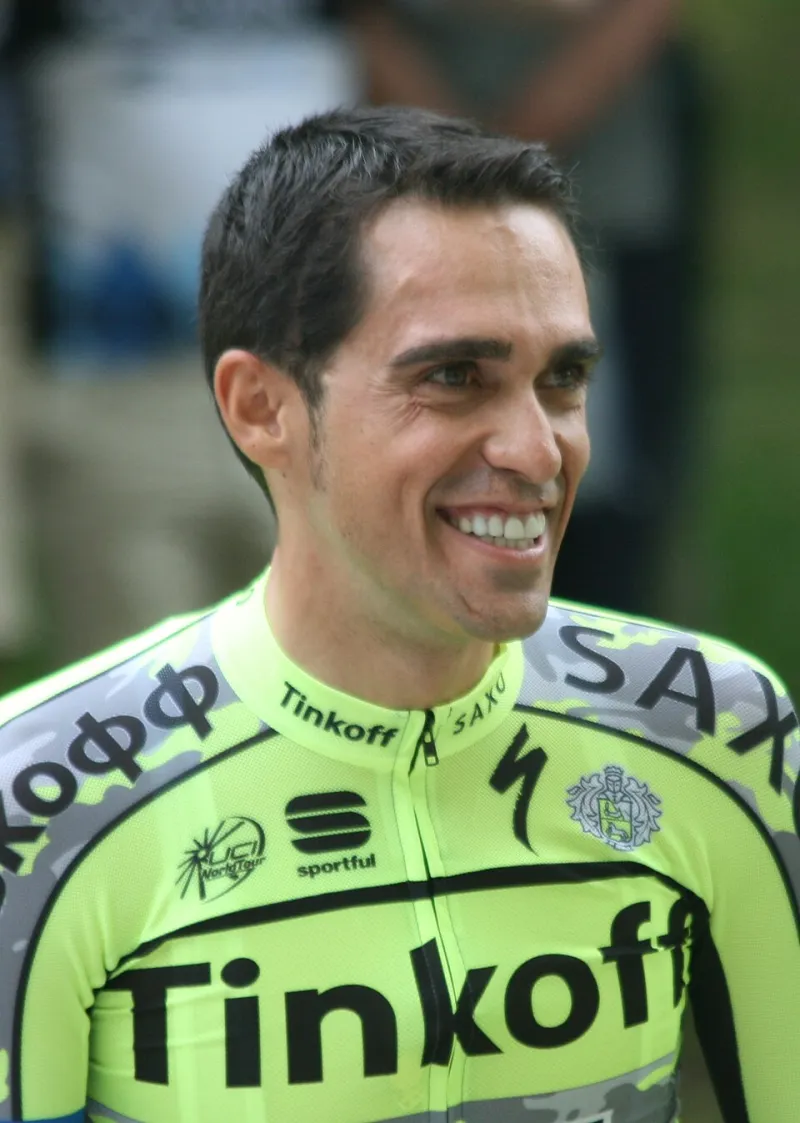
Photo: bert de boer, CC BY 2.0, via Wikimedia Commons
For most of cycling's modern history, the relationship between pro athletes and alcohol has been... complicated. Sponsors wanted energy drink logos. Nutritionists wanted clean macros. The peloton, quietly, wanted a cold pint after a hard stage. But something has shifted in the last few years, and it's shifting fast.
Professional cyclists — from crit racers in the midwest to gravel legends logging 200-mile weeks — are sitting down with craft brewers and doing something nobody really expected: designing beers together. Not slapping a name on a can for a quick paycheck, but actually getting into the weeds on grain bills, hop profiles, and what a body genuinely craves after six hours in the saddle.
It's a trend that feels right at home here at Cycle Brewery Town, where the whole premise is that bikes and beer aren't opposites — they're partners.
More Than a Marketing Play
The easy cynical read is that this is just athlete licensing dressed up in flannel. But spend a few minutes talking to the people involved and that take falls apart pretty quickly.
Take the collaboration between gravel racer Lauren Decker and a small Colorado brewery that asked to remain unnamed until their official release this fall. Decker, who races on the professional gravel circuit and has quietly become one of the more thoughtful voices on athlete nutrition, spent four months working with the head brewer on a low-ABV saison designed specifically around her post-ride recovery window.
"I wasn't interested in putting my face on something that didn't actually make sense for the way I live," Decker explained during a recent conversation at a training camp in Durango. "I wanted something I'd actually drink. Something that felt like a reward but didn't wreck my sleep or my next morning ride."
The result is a 3.8% saison brewed with hibiscus, a touch of pink Himalayan salt, and a dry finish that hits the electrolyte craving without loading you up with sugar. It reads like a recovery drink someone actually wants to order at a taproom.
The Brewers' Side of the Equation
For craft breweries, these partnerships offer something equally valuable — credibility with an audience that's notoriously skeptical of gimmicks.
Marcus Thill, co-founder of a Minneapolis-based brewery that recently released a limited kolsch in partnership with a regional criterium team, put it plainly: "Cyclists are obsessive researchers. They read ingredient lists. They know their lactate thresholds. If you put out a collab beer and it's just a rebadged lager, they'll know in about thirty seconds and they'll tell everyone."
Thill's brewery spent three weeks working with the crit team's sports nutritionist to land on a recipe that prioritized B vitamins, used a yeast strain with a cleaner fermentation profile, and kept bitterness low enough to be approachable immediately post-ride. The kolsch sold out in a single weekend at a local race expo — not because of the athlete's name, but because the beer was genuinely good and the story behind it was real.
That authenticity gap is exactly what separates the collaborations that land from the ones that quietly disappear after a single production run.
What These Beers Actually Look Like
If you're curious what a "cyclist-designed" beer tastes like in practice, the profiles tend to cluster around a few consistent themes.
Low to moderate ABV is almost universal. Most of the athletes involved in these projects are adamant that the beer has to fit into a training lifestyle, which means 3.5% to 5% is the sweet spot. Nobody building a serious base is trying to crack a double IPA after a Tuesday night group ride.
Electrolyte additions are showing up more frequently. Salt, potassium-rich additions, and even coconut water-inspired flavor profiles are making their way into these recipes as brewers get more comfortable with functional ingredients.
Light, dry finishes dominate. Cyclists tend to prefer beers that don't sit heavy — the same instinct that makes a good wheat beer or a Czech-style pilsner so appealing after a long effort. Big malt bombs and syrupy stouts are mostly absent from these collabs, though a handful of winter releases have played with the recovery stout concept using oats and dark cherry.
Seasonal timing matters too. Several of the most successful partnerships have released their beers to coincide with major race events or the natural peaks of the US cycling calendar — spring classics season in April, gravel season through summer, and the cyclocross circuit in the fall.
The Community Angle Nobody's Talking About Enough
Beyond the beer itself, what's most interesting about these partnerships is what they do at the local level.
When a professional cyclist partners with a neighborhood brewery, the taproom becomes a gathering place for the local riding community in a way that no amount of marketing spend can manufacture. Cyclists show up to meet the athlete. They bring their clubs. They stick around for a second pint and end up talking to the brewer. The taproom becomes, for a few hours, exactly the kind of community hub that both cycling culture and craft beer culture have always aspired to be.
Several breweries have started building group rides directly into their collab launch events — a Saturday morning route that ends back at the taproom just as the first kegs are being tapped. It's the kind of thing that sounds almost too perfect on paper, but in practice it works because it's honest. The beer fits the ride. The ride earns the beer. The community shows up because both things are genuinely worth showing up for.
What This Trend Tells Us About Where Both Industries Are Heading
There's a version of this trend that gets commercialized into irrelevance — where every pro with a social following has a beer slapped with their headshot and sold at airport newsstands. That version would be a shame.
But the version that's actually happening right now, in small batches at regional breweries across the US, feels different. It feels like two communities that have always had more in common than their respective marketing departments wanted to admit finally figuring that out.
Cyclists have always understood the value of recovery, community, and ritual. Craft brewers have always understood the value of process, patience, and doing things the hard way because the result is worth it. When those two sets of values sit down at the same table and start talking about what goes into a recipe, the beer that comes out tends to be pretty special.
And yeah — it tastes better after a ride. Everything does.