Small Brewery, Big Presence: How to Sponsor Local Cycling Events on a Craft Budget
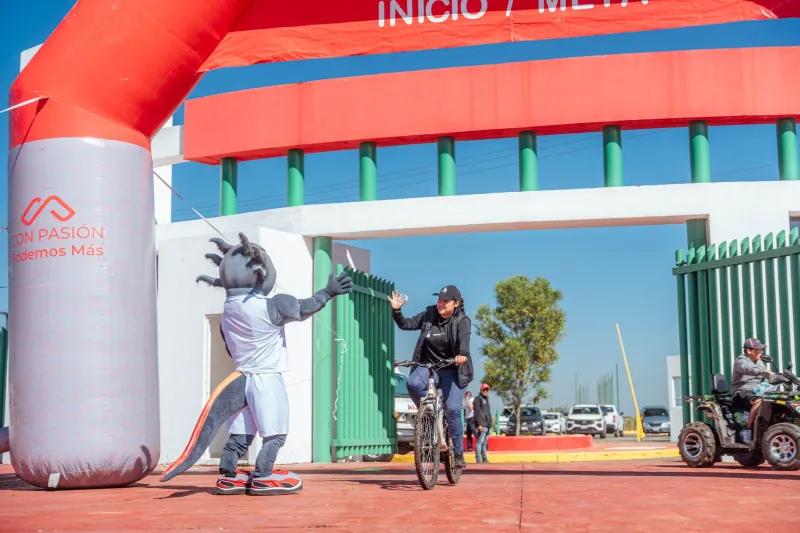
Let's be honest — most craft brewery owners didn't get into the business because they love spreadsheets. They got in because they love beer. And if you're reading this, there's a decent chance you also love bikes. Which is exactly why sponsoring a local cycling event might be the smartest marketing move you haven't made yet.
The good news? You don't need a corporate budget to make it work. What you need is a clear strategy, a willingness to show up, and a few kegs you were probably going to tap anyway.
Why Cyclists Are Your Best Possible Audience
Before we get into the how, let's talk about the who. Cyclists — particularly the gravel and endurance crowd that's been exploding across the US over the last decade — skew toward exactly the demographic that craft breweries dream about. They're typically in their late 20s to mid-50s, have disposable income, care deeply about quality and authenticity, and are already wired to support local businesses. They also tend to be intensely community-oriented, which means when they find a brand they trust, they evangelize it.
Compare that to, say, running a Facebook ad or placing a banner on a local news website. The targeting is vague, the engagement is low, and you'll never know if a single pint was poured as a result. A cycling event sponsorship puts your name, your beer, and your people directly in front of a crowd that was practically built for you.
Start Small: The Beer Donation Model
If you've never sponsored an event before, the lowest-risk entry point is a beer donation. Many local cycling clubs and event organizers — especially those running charity rides, gran fondos, or community gravel events — are actively looking for finish-line refreshments and post-ride hospitality.
A donation of two to four kegs, or a case-count equivalent in cans, typically earns you logo placement on event materials, a mention in pre-race communications, and a branded presence at the finish line. Depending on the event size, you're looking at exposure to anywhere from 50 to 500 riders.
Here's a real-world example worth noting: a small taproom in Bentonville, Arkansas — a city that's become one of the country's premier mountain biking destinations — started by simply offering a post-ride pint discount to anyone who showed a race bib. Within a year, they'd formalized that into an official finish-line partnership with a regional gravel series. No cash outlay. Just beer and a handshake.
The key is making sure your beer is actually present and visible at the event, not just listed in a program. Staff it. Pour it yourself if you have to.
The Branded Pit Stop: More Bang, Same Budget
One tier up from a simple donation is the branded pit stop — arguably the most cost-effective sponsorship format available to small breweries. For longer gravel rides and endurance events, organizers often need aid station support at multiple points on the course. Offer to sponsor one of those stops with your branding, some swag, and maybe a non-alcoholic option (electrolyte drinks, cold brew, or even just really good water) alongside your brewery's name and logo.
This works for a few reasons. Riders hit aid stations when they're tired, grateful, and emotionally open. If your name is the thing that greets them with a cold towel and a banana at mile 40, that association sticks. You're not just a logo on a flier — you're the brewery that showed up when it counted.
Budget-wise, a branded aid station setup — tent, banner, some printed cups, and a few staff hours — can run as little as $300 to $600 depending on how far you take the production. That's less than a single month of paid social advertising for most small businesses, and the engagement is infinitely more personal.
Cash Sponsorships: When and How to Scale Up
Eventually, if you're consistent and your relationship with the local cycling community deepens, you may want to consider a cash title or category sponsorship. These typically run anywhere from $1,000 to $10,000 for regional events, and they come with significantly more visibility — your name in the event title, prominent finish-line signage, inclusion in all race communications, and sometimes an exclusive pouring rights arrangement.
Before you write that check, though, ask the event organizer for three things: past attendance numbers, demographic data on participants, and post-event media reach (social impressions, local press coverage, email list size). Any well-run event should be able to provide this. If they can't, that's a signal to hold off.
The Colorado Brewers Guild has noted that breweries participating in cycling event sponsorships at the cash level consistently report higher return-on-investment than equivalent spends on traditional print or digital advertising — largely because the audience retention is so much stronger. Cyclists remember where they drank after a race. They go back.
Metrics That Actually Matter
So how do you measure whether any of this is working? A few practical tracking methods:
Bib discounts. Offer a discount or a free pint to anyone who shows a race bib at your taproom within a week of the event. Track redemptions. Simple, low-tech, effective.
QR codes on event materials. If you're providing printed materials, include a QR code that links to a landing page or a special offer. Track clicks and conversions.
Social listening. Search your brewery's handle and event hashtags after the race. See how many riders are tagging you in finish-line photos or post-ride check-ins. That organic reach is genuinely valuable.
New tap room visits. Ask your staff to note whether new customers mention a cycling event when they come in. Anecdotal, sure, but patterns emerge fast.
One craft brewery in Asheville, North Carolina tracked a 22% increase in new customer visits in the two weeks following their first finish-line sponsorship of a local gravel race. They'd spent roughly $800 total — two kegs, a banner, and a few hours of staff time.
Building Long-Term Relationships, Not One-Off Deals
The breweries that get the most out of cycling sponsorships aren't the ones writing the biggest checks. They're the ones showing up year after year, building genuine relationships with race directors, local clubs, and the riders themselves.
Consider becoming the unofficial home base for a local cycling club's monthly ride. Host their post-ride meetup. Offer a standing discount on pint night for club members. Name a seasonal beer after a local trail or race. These gestures cost almost nothing, but they create the kind of community gravity that no ad campaign can replicate.
The cycling community is loyal, vocal, and growing fast. Get in front of them now, while the field is still relatively open and the cost of entry is low. Bring good beer. Show up in person. Make it easy for riders to find you after the finish line.
Because here's the thing — when someone crosses a finish line after 60 miles of gravel, they're not thinking about whoever paid the most for a banner. They're thinking about who's pouring the cold one at the end. Make sure that's you.